Course catalogue
Accessible Courses for Visually Impaired Students
KCSE and university courses built from the ground up for blind and low-vision learners. Every lesson is delivered as spatial audio with haptic feedback — no diagram left behind.
Available courses
- Mathematicsadvanced
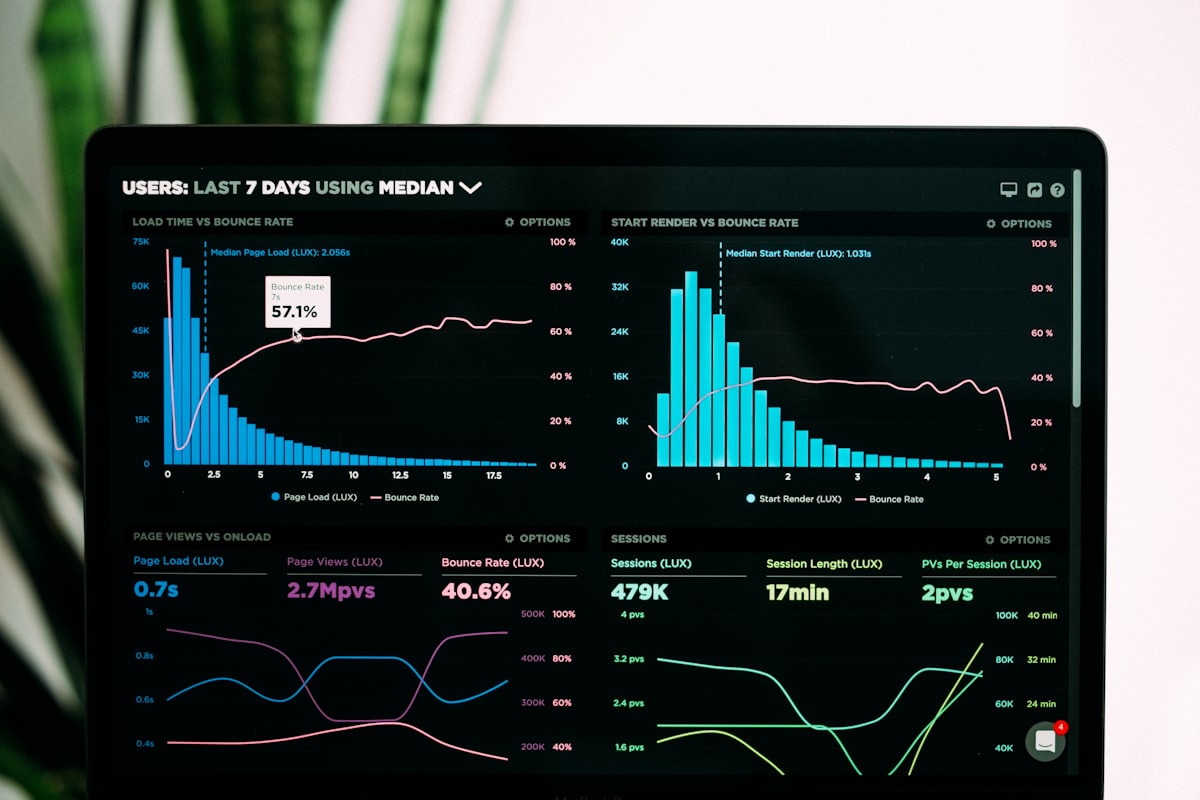
Data Representation and Analysis
Understand bar graphs, pie charts, histograms, and statistical tables through navigable audio chapters and trend-encoded haptic feedback.
Mwalimu Daniel Mutiso Haptic - Geographybeginner
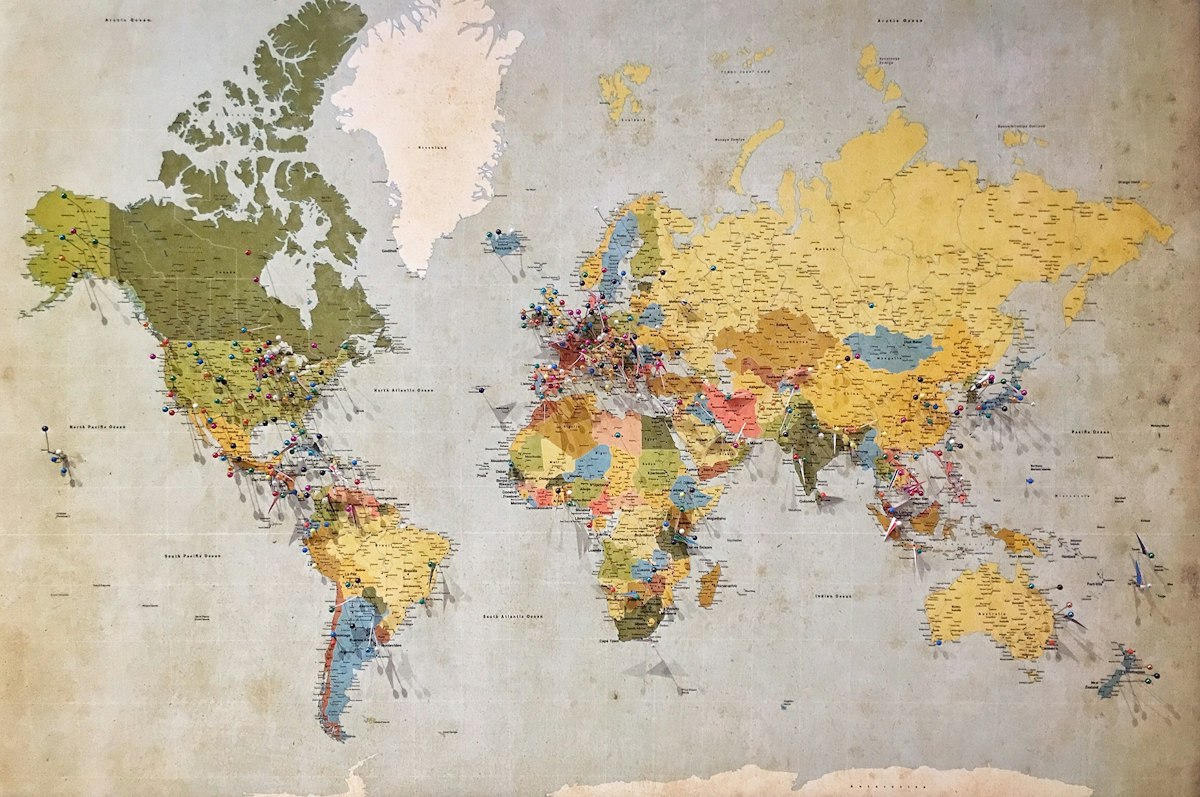
Kenyan Landscapes and Map Interpretation
Interpret maps, relief features, and spatial data sets covering Kenya's diverse geography through 3D audio and haptic elevation feedback.
Mwalimu Wanjiru Kamau Haptic - Biologybeginner
Cell Structure and Biological Diagrams
Navigate biological diagrams — cells, tissues, organ systems — through structured audio descriptions and spatial haptic patterns.
Mwalimu Esther Njeri Haptic - Musicintermediate
Reading and Interpreting Music Sheets
Learn to read and interpret music notation — clefs, time signatures, notes, dynamics, and rhythm — through spatial audio and haptic feedback designed for visually impaired learners.
Mwalimu Chrispus Otieno Haptic - Business Studiesadvanced
Interpreting Business Charts
Read and interpret business diagrams — demand/supply curves, break-even charts, organisational charts — through Auralearn's navigable audio engine.
Mwalimu Faith Achieng Haptic - History & GovernmentSecondarybeginner
History & Government — Kenya Political Maps
A KCSE Form 2 History and Government course that brings Kenya's political geography to life through narrated maps. Lessons trace colonial boundaries, electoral counties, African independence timelines, and the structure of government — using haptic borders and capital pulses so blind learners can navigate maps as confidently as their peers.
Ms. Nyambura Odhiambo Haptic - ChemistrySecondaryintermediate
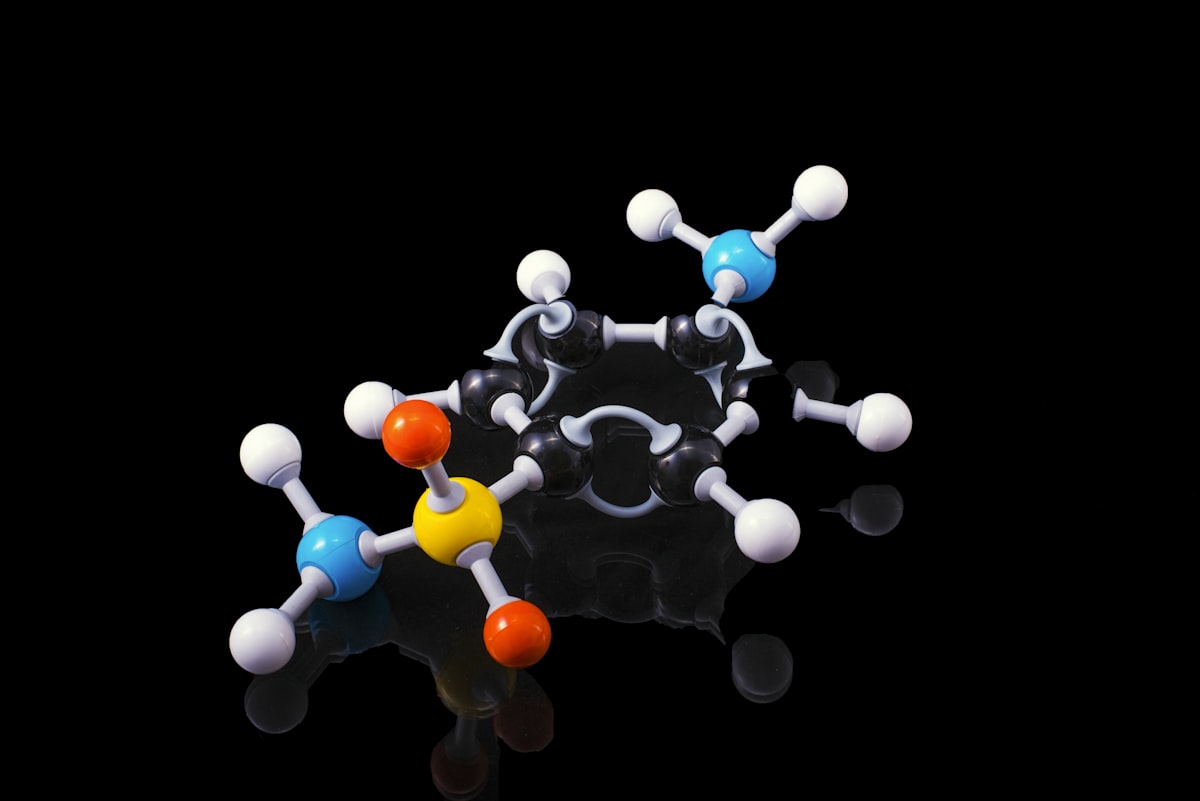
Chemistry — Periodic Table & Atomic Structure
A KCSE Form 3 Chemistry course that turns the periodic table into a navigable audio grid. Lessons walk through electron shells, reaction rate curves, and bond types using directional sound and tactile cues so blind learners can locate groups, periods, and bonding patterns confidently during practicals and theory papers.
Dr. Achieng Njoroge Haptic - MathematicsSecondaryadvanced
KCSE Mathematics — Statistics and Probability
Form 4 / KCSE Mathematics: frequency distribution tables, histograms, measures of central tendency, and probability tree diagrams. Each visual is converted into a navigable audio chart with semantic haptics for peaks, troughs and correlation steps so visually impaired students can answer KCSE questions independently.
Mwalimu Faith Kamau Haptic - GeographySecondaryintermediate
Kenya Geography Form 3 — Physical Geography
Form 3 Physical Geography for Kenyan blind and low-vision learners. Hear and feel the Rift Valley unfold under your fingertips, walk the Indian Ocean monsoon, trace population densities across counties, and read soil cross-sections — every map rendered as patterned audio and haptics aligned to the Kenyan KCSE syllabus.
Mwalimu Achieng' Otieno Haptic - AgricultureSecondaryintermediate
Agriculture — Farm Planning & Soil Diagrams
An audio-first KCSE Form 3 Agriculture course exploring soil profiles, farm layouts, crop yield interpretation, and conservation diagrams. Each lesson narrates Kenyan smallholder examples and weaves haptic cues so blind and low-vision learners can feel boundaries, slopes, and trends as they listen — building exam-ready spatial intuition without sighted assistance.
Dr. Wanjiru Mwangi Haptic - MusicSecondaryadvanced
KCSE Music — Music Theory and Score Reading
KCSE Music Theory: treble clef, time signatures (2/4, 3/4, 4/4), dynamics and a full four-part SATB score — every note value, rest and dynamic marking encoded as a unique haptic so blind candidates can read scores by feel, not just by ear.
Mwalimu Chrispus Otieno Haptic - Computer StudiesSecondaryintermediate
Computer Studies — Data Flow & Logic
A KCSE Form 3 Computer Studies course covering flowcharts, binary logic gates, network topologies, and the system development life cycle. Audio narration sequences each symbol and gate while haptic taps signal decisions, loops, and connections — giving blind students a reliable way to read structure diagrams under exam conditions.
Mr. Kamau Wekesa Haptic - Business StudiesSecondaryadvanced
KCSE Business Studies — Financial Analysis
Read a Profit & Loss statement, walk a balance sheet from assets to equity, feel break-even charts cross, and trace cash flow over a year — every business diagram converted into navigable audio + business haptics (profit rising, loss falling, break-even balanced).
Mwalimu Brian Mwangi Haptic - GeographyUniversitybeginner
Kenyatta University — Introduction to Human Geography
Year 1 Human Geography at Kenyatta University: urban land-use models (Burgess, Hoyt), Kenya's population pyramid, internal migration flows, and satellite urban-growth imagery — every map, model and image translated into geography haptics (border, contour, capital, elevation) and structured audio.
Dr. Joyce Akinyi Haptic - PhysicsSecondaryadvanced
Physics — Optics & Wave Diagrams
An advanced KCSE Form 4 Physics course narrating ray diagrams, wave behaviour, the electromagnetic spectrum, and Snell's law. Spatial audio places sources, mirrors, and wavefronts around the listener while haptic pulses mark peaks, troughs, and bending angles — letting blind students build precise mental diagrams aligned to KNEC exam expectations.
Prof. Otieno Kiprono Haptic - EconomicsUniversitybeginner
University of Nairobi — Introduction to Microeconomics
First-year microeconomics for visually impaired students at the University of Nairobi: supply and demand curves, equilibrium points, elasticity, and consumer / producer surplus — every diagram converted into directional audio + economic-step haptics so you can derive and defend results in tutorials.
Dr. Susan Wangari Haptic - Business StudiesUniversityintermediate
Strathmore University — Business Statistics
Year 2 Business Statistics at Strathmore: the normal distribution, scatter plots and regression, box plots with outliers, and time-series analysis — every chart re-encoded as audible bell-curves, correlation steps and outlier pings so you can interpret data sets without a sighted reader.
Dr. Caroline Njeri Haptic - Statistics & Data ScienceUniversityadvanced
Statistics & Data Science — Visualizations
A second-year university course on reading box plots, scatter plots, normal distributions, and regression lines. Each lesson narrates the axes, then sweeps haptic cues across the plot to mark medians, peaks, correlations, and trend lines — equipping blind data students to interpret visualisations independently in coursework and research.
Dr. Adhiambo Mbogo Haptic - Environmental ScienceUniversityintermediate
Environmental Science — Climate & Ecosystems
A first-year university course on Kenyan climate trends, deforestation patterns, water tables, and biodiversity indices. Audio walks learners through real Mau Forest and Lake Victoria data while haptic cues mark rising temperatures, declining forest cover, and shifting ecosystems — helping blind students engage with environmental datasets analytically.
Dr. Mutua Kariuki Haptic - PhysicsUniversityintermediate
JKUAT — Physics: Waves and Optics
JKUAT Year 2 physics: wave interference, Snell's law refraction, the electromagnetic spectrum, and oscilloscope waveforms — each visual broken into peaks, troughs and equation steps that the haptic engine voices in patterned vibration.
Dr. Peter Kiplagat Haptic - Surveying & GISUniversityintermediate
Surveying & GIS — Contour Reading
A technical college course on reading contour maps, land parcels, cross-section profiles, and coordinate grids used across Kenyan surveying practice. Spatial audio orients the learner on the map while haptic ridges and valleys convey elevation, letting blind students interpret topographic information needed for fieldwork and exams.
Eng. Cherono Barasa Haptic















Frequently asked questions
What does Auralearn do?
Auralearn turns visual academic material — diagrams, charts, maps and music scores — into navigable spatial audio and haptic experiences, so blind and low-vision students can study independently. Every course is built to be fully accessible with a screen reader.
Which subjects and levels are covered?
Our catalogue spans the Kenyan secondary curriculum (KCSE) and university-level courses across the sciences, mathematics, geography, music and business, with new subjects added regularly.
How much does Auralearn cost?
Many courses are free to start. Premium courses and features are supported by donations and optional contributions, so cost never stands between a student and an accessible education.